Interaction Design
Duration
1 Year
ECTS
60
Language
English
Commitment
Full Time

This is where machines meet humans, and vice versa. Good interaction design of our digital surroundings is imperative to their functionality. The department of Interaction Design is led by internationally renowned creative UXD duo Irene Pereyra and Anton Repponen.
Interaction Design is about creating experiences that feel intuitive, inclusive, and human. As digital interfaces expand beyond screens into spatial, voice, and AI-powered systems, designers must craft seamless ways for people to engage with technology. In this programme, you’ll learn to balance logic with empathy, building products that solve real problems through thoughtful interaction.
With AI changing how products are made and used, designers are evolving, not disappearing. This programme equips you with timeless skills in user research, prototyping, and systems thinking, while helping you collaborate with engineers and shape emerging technologies. You'll graduate ready to design for today's interfaces and tomorrow's possibilities.
Career Path
Interaction Design
Programme Structure
Modular Learning
Your year is organized into 14 focused, three-week modules. This structure keeps your schedule clear and flexible, so you can dive deeply into one topic at a time.
A curriculum you can shape
Roughly half of your credits are core courses and half are electives. You'll build a solid foundation while still having room to follow your interests and goals.
Evergreen Classes
Around 30% of the curriculum is reviewed and updated each year. Courses are refined, replaced or redesigned so your learning stays current and relevant.
Curriculum in Depth
You can explore the full curriculum structure—from fundamental modules that build your base skills to flexible electives that evolve as the field changes.
In your first weeks, you'll join a bootcamp-style course with students from all programmes. You'll get to know Harbour.Space's hands-on way of learning, meet your peers, and get comfortable collaborating across different disciplines.
Once you've settled in, you'll move into the core modules of your programme. These courses are the heart of your studies: they help you think critically, solve complex problems, and build the technical and strategic skills you'll rely on as an interaction designer.
As your foundation grows, you'll start choosing electives within your discipline. These modules let you go deeper into the areas that interest you most, from specific methods and tools to specialized application domains.
Alongside your core and major electives, you'll take courses with students from other fields. Together you'll work on real-world challenges from different perspectives, stretching your thinking and strengthening your collaborative problem-solving skills.
Throughout the programme, you can also choose courses outside your main area. As long as you meet any requirements and there's space in the class, you're welcome to explore new topics, follow your curiosity, and broaden your toolkit.
, you'll bring everything together in a capstone project. You might launch a startup, build a product, or carry out applied research. With guidance from your mentors, this is your chance to define a direction that feels meaningful to you and show what you can do in a real, end-to-end project.
Faculty






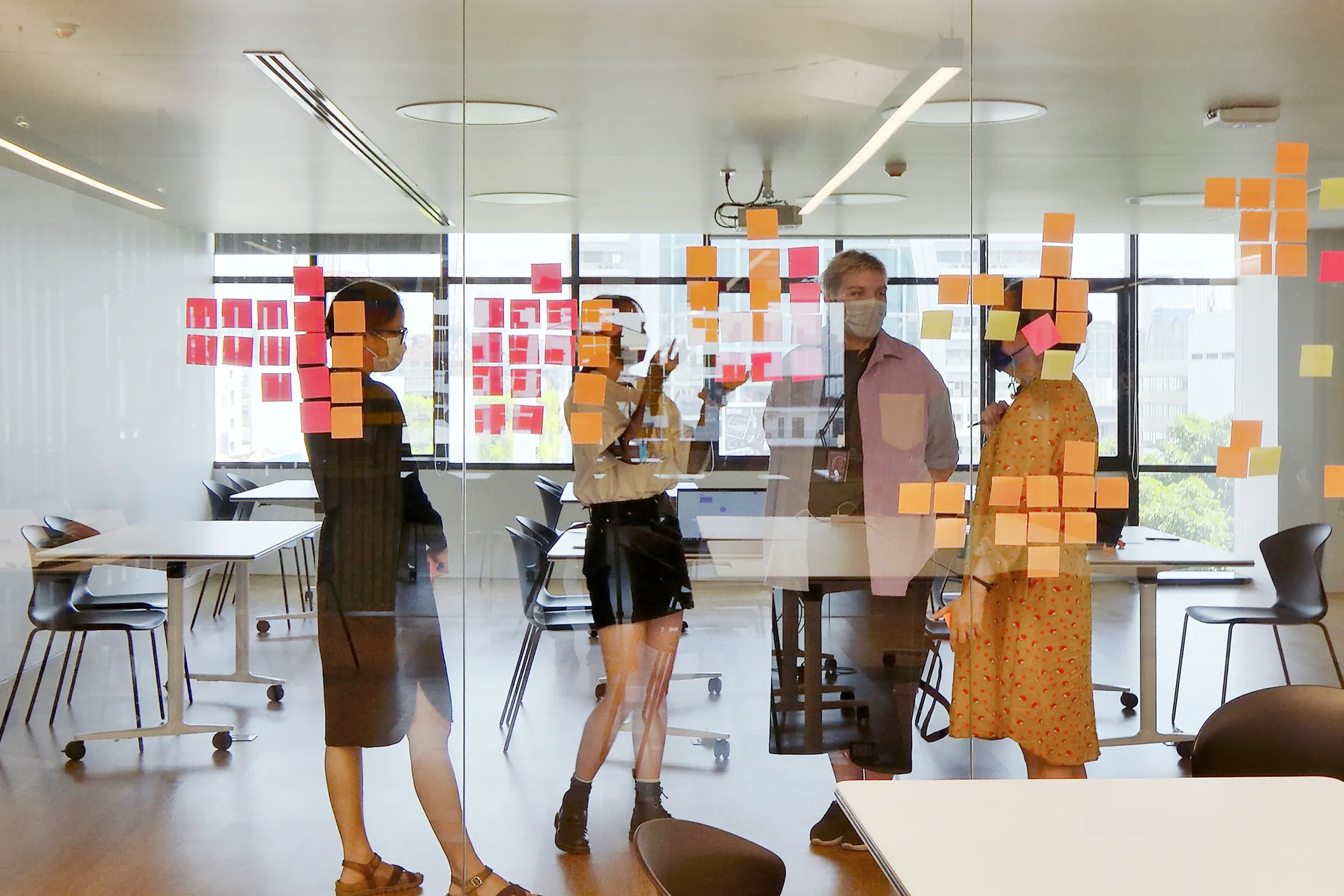
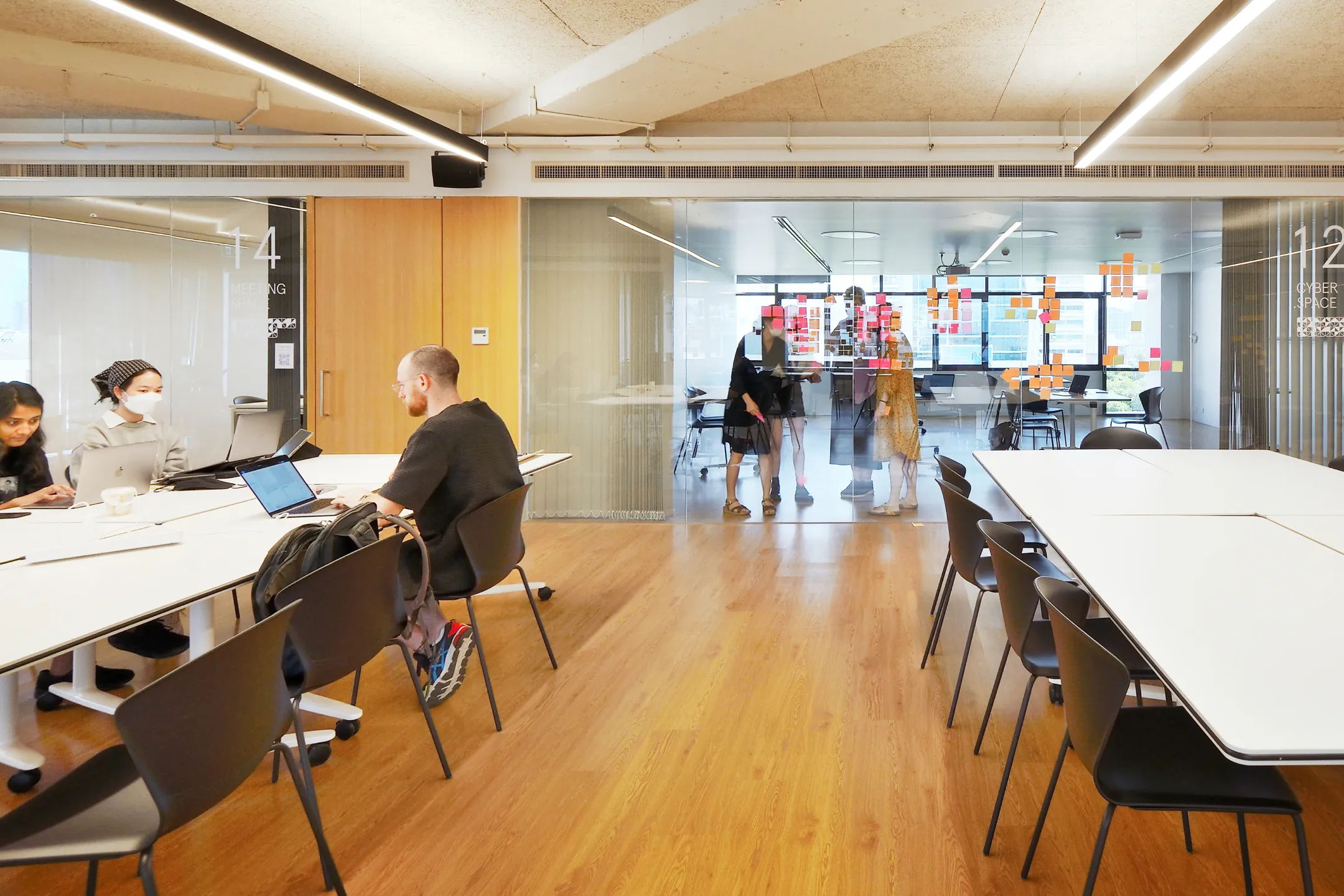
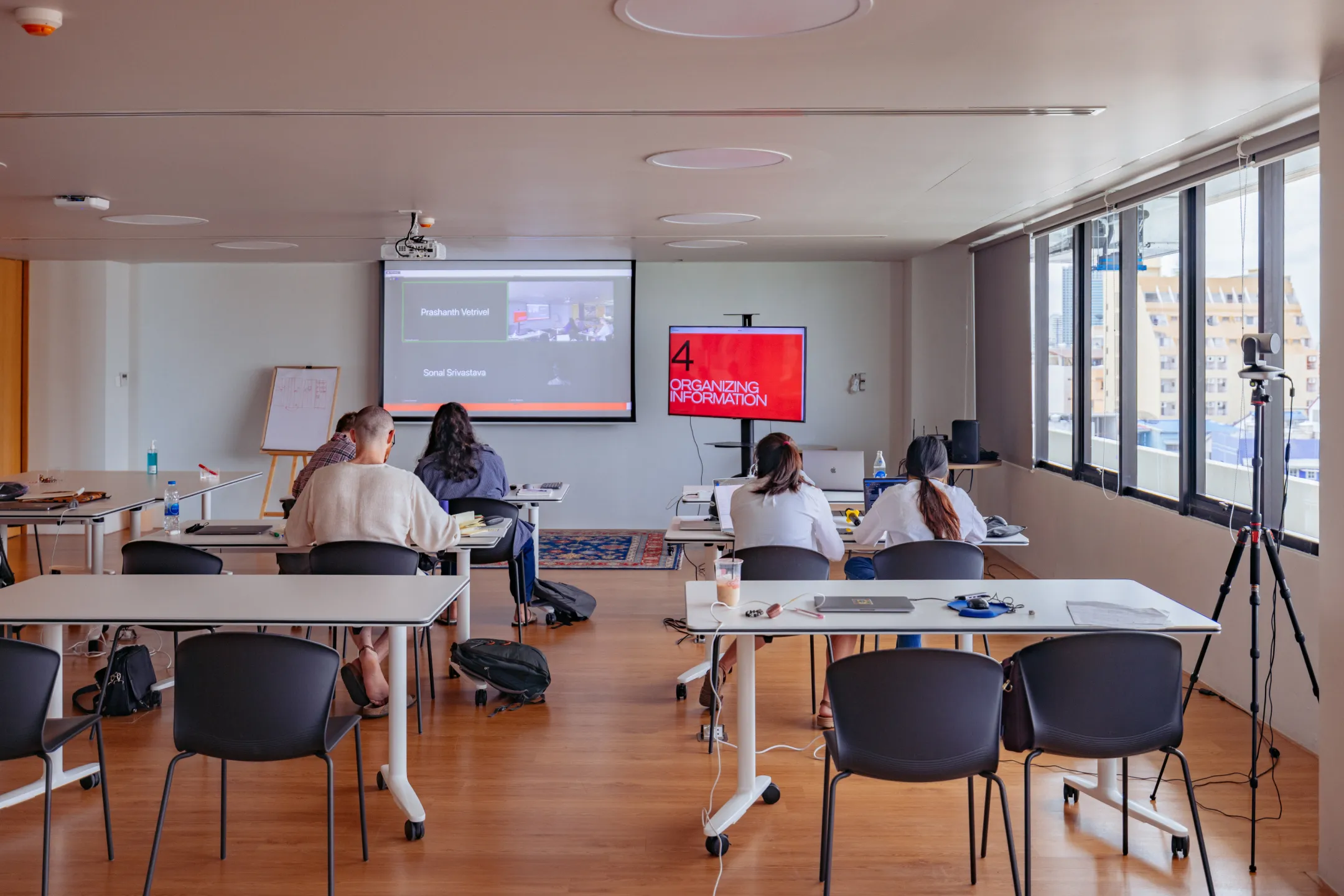
Campus

Reviews

Mrinali Kamath
Alumni
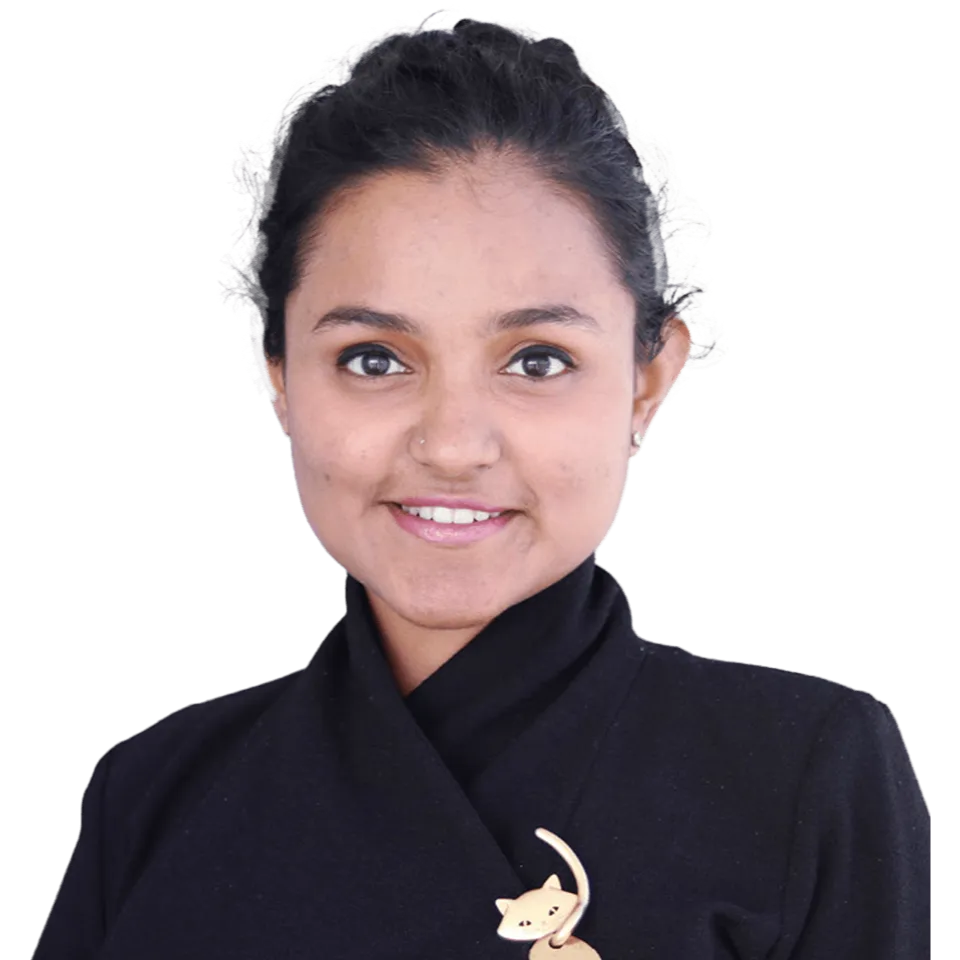
Don’t expect to be a student here; expect to be a professional from day one. My projects have given me real-life insights into design as a job. I've learnt to understand it as a process requiring research, planning, strategising, and working with a team of people who are not designers at all.
Mrinali Kamath


Alisa Pondsuksiri
Alumni
Harbour.Space empowered me. It refined my skills in UX/UI design, enabling me to approach product development holistically and design solutions that truly make life better.
Alisa Pondsuksiri

Pakin (Tum) Ponbowonratchakul
Alumni
Harbour.Space goes beyond just teaching design aesthetics; it enlightens you on how design can also be a tool for helping people.
Pakin (Tum) Ponbowonratchakul


Lillian Wyse
Alumni
One of the most significant takeaways for me has been the opportunity to learn from my classmates, whom I fondly refer to as the "United Nations of design." We share our cultures, experiences, and ideas, which have greatly influenced my design thinking and problem-solving approach. Working with people from different countries and professional backgrounds has taught me to be adaptable, open-minded, and receptive to new concepts.
Lillian Wyse
Pricing
International
Local -50%
Master
22.900€
Yearly tuition for 1 year
+ €125 Application Fee
1 Year to Complete
60 ECTS
Study Focus
Admissions

Start by registering on our application portal. Once logged in, you'll be guided to upload the required documents, including your CV, academic transcripts, identification, and any additional materials relevant to your programme.
When your documents are ready, complete the application form and pay the €125 non-refundable application fee. This step officially puts your profile into our admissions review process.
After submission, you'll be invited to complete a short technical challenge and attend an online admissions interview. This helps us understand your motivation, skills, and readiness for the programme.
You'll receive an admissions decision within one week. If accepted, your official offer will include all the next steps and payment details.
Finalise your place by paying your tuition fee and submitting any remaining documentation. We'll then begin processing your visa-related paperwork and confirm your enrolment.